Celosia: Pretty flowers, delicious dishes
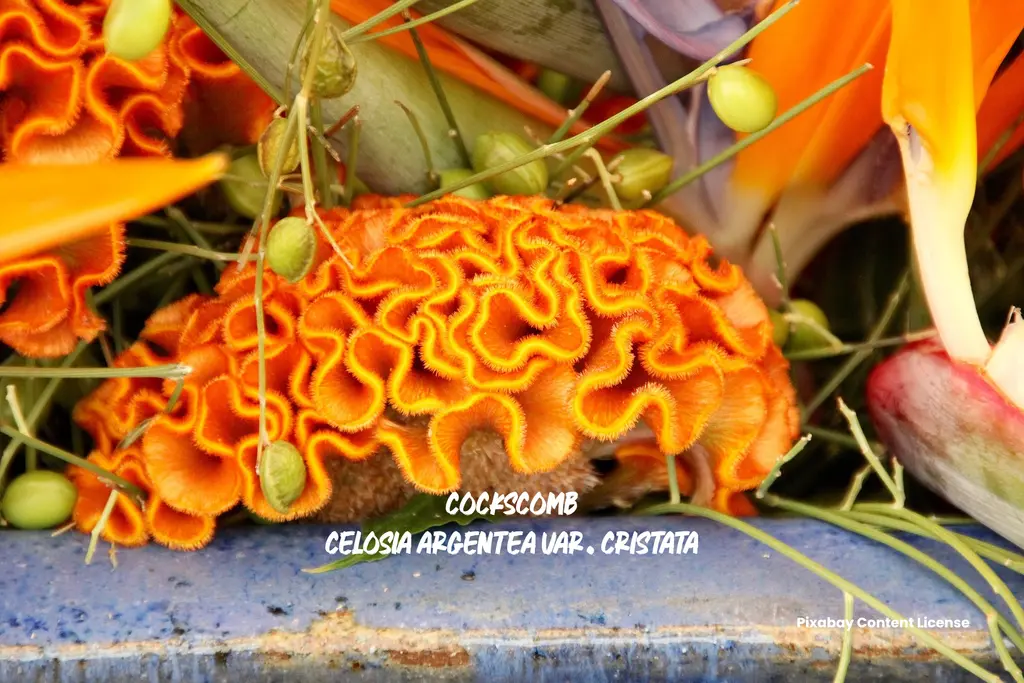
Celosia is a flower well-known among gardeners. Most people are familiar with the variety that looks like a furry, Seussical brain, colloquially called cockscomb. (That’s Celosia argentea var. cristata for those who are into Latin names, or crested celosia for the rest of us.)
Cockscomb is particularly popular here in the southern United States because, like many plants originating in tropical Africa, it’s exceptionally heat-tolerant. A member of the amaranth family, it’s prized primarily as an ornamental flower. But there’s another type of celosia grown around the world as a highly nutritious leafy green vegetable.
This variety, Celosia argentea var. argentea, is a staple in our garden. Also known as Lagos Spinach or Efo Shoko, it’s the edible celosia we grow for its delicious leaves. Those beautiful purple-splashed leaves are often used as the base for callaloo or as a more colorful substitute for traditional soul food greens.
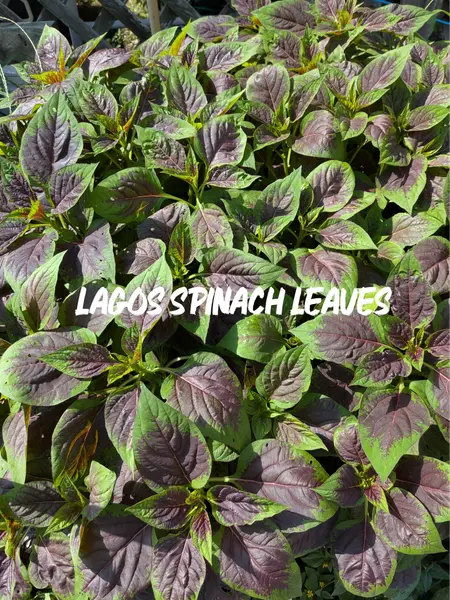
Honestly, it’s surprising that it isn’t grown more widely as a vegetable here in the States. We’ve found it to be one of the most resilient, pest-unbothered, and generally easy-to-grow plants on the farm. Not to mention, it’s just so damn pretty.
Growing celosia from seed is easy. Under the right conditions, little sprouts start appearing in about 7–14 days. And during our searing summer heat, we’ve seen them pop up even sooner. You can certainly start seeds indoors, but we typically skip that step and sow directly outdoors in full sun.
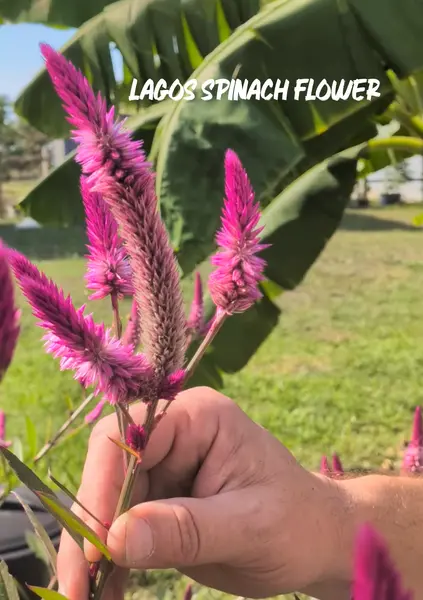
And here’s another reason to grow it: the entire plant is edible. The leaves, young stems, and flowers can all find their way into the kitchen. Celosia is also packed with nutrients, including vitamins and minerals, making it more than just another pretty face in the garden.
There are other types of celosia, too. In fact, there’s a whole world of them beyond the familiar cockscomb. They’re worth taking a look at.
Celosia planting and tips to grow #
- Sowing Instructions: Celosia loves warm weather and doesn’t tolerate frost or cold soil. In cooler climates (generally zones 7 and below), start seeds indoors about 6–8 weeks before your last expected frost. Direct-sow outdoors once all danger of frost has passed and soil temperatures consistently reach at least 60–65°F.
- Spacing & Thinning: Sow seeds on the soil surface or cover them very lightly to a maximum depth of 1/8 inch. Celosia seeds need light to trigger germination, so burying them deeply will prevent sprouting.
- Germination Information: 7-14 days
- Sunlight & Water Needs: Full sun. Keep soil consistently moist during germination and while young plants establish. Once established, celosia is relatively drought-tolerant, although regular watering will encourage good leafy growth.
- Days to Maturity / Harvest: 8 to 35 days (4 to 5 weeks) for young leaves, with continued harvesting as the plant grows.
A Few Tips From the Farm: #
- Watch where you plant it. Lagos Spinach can get surprisingly tall, so avoid planting it somewhere it will block sunlight from other sun-loving plants.
- Consider its enthusiasm for reproduction. Unless you’re a particularly conscientious gardener (we aren’t), plant it somewhere you don’t mind seeing it again next year. And the year after. And the year after that. Because once those pretty flowers go to seed, there will be tiny black seeds EVERYWHERE.
- One more thing if you’re cutting flowers: Harvest celosia for floral arrangements before the flowers go to seed. Otherwise, you may find your beautiful bouquet slowly shedding tiny black seeds all over your table, counter, or wherever you’ve decided to show it off. Pretty flowers, yes. Uninvited seed distribution, no.
You’ve been warned.